


Will security lighting help to protect my staff?
Looking after the safety and well-being of employees should be a priority for any business. And while it’s not possible to mitigate every risk, there are measures you can take to improve their safety and security.
One measure that is often overlooked is the installation of security lighting. When daylight disappears, visibility is reduced, increasing the risk of slips trips and falls. Not only that, but criminals are more active undercover of darkness.
How security lighting can improve safety and security
Security lighting won’t prevent accidents or stop criminal activity completely, but it can offer your employees an extra layer of protection against these things.
Enhance visibility and safety: Adequate lighting improves visibility in and around the workplace, reducing the likelihood of accidents or incidents. Employees can navigate safely, identifying potential hazards more easily.
Make employees feel secure: Well-lit surroundings contribute to a sense of security among staff, promoting a safer working environment. Employees feel more secure during late shifts or when leaving the premises after dark.
Aid emergency response: When accidents do occur, emergency services need to be able to respond as quickly as possible. Well-lit areas will be easier for them to navigate, and they’ll have better visibility over the situation allowing them to act more effectively.
Deter intruders: Security lighting acts as a deterrent to potential intruders as it makes it difficult for them to approach the property undetected. This can make you less of a target for would-be burglars and vandals.
Prevent crime: Criminals are less likely to target well-lit areas due to the increased risk of being seen and identified. Lighting areas such as entryways, footpaths and car parks can prevent crimes such as pickpocketing, muggings, and car thefts.
Increase perimeter security: Security lighting reinforces the effectiveness of physical security measures like fences and access control systems. It helps create a more comprehensive security strategy by covering the entire perimeter.
Enhance CCTV footage: Security lighting enhances the performance of surveillance cameras by making it easier to obtain clear and detailed footage. Improved visibility aids in the identification and tracking of any suspicious activities allowing security teams to detect intruders quickly and respond faster.
Additional benefits of security lighting
There’s no doubt security lighting can enhance safety and security around your premises, but there are some non-security related benefits too.
Cost-Effective: Security lighting is a cost-effective security measure compared to other security solutions. It doesn’t require huge investment or major infrastructure changes, and it requires very little maintenance, giving you a visible and tangible layer of protection without significant ongoing expense.
Customisable: Modern security lighting often comes with customisable features, allowing you to install systems based on your specific security needs. Timed or motion-activated lighting can be tailored to different areas of the facility, giving you the protection you need when and where you need it.
Integrates with smart systems: Security lighting can be integrated with smart systems, allowing for remote monitoring and control. This enhances the flexibility and responsiveness of the security infrastructure.
Types of security lighting
There are countless types of security lighting available in all shapes and sizes. Some systems are simple – turn the lights on or off as required. Some can be programmed to automatically switch on when it gets dark or at certain times. And some systems are motion-activated, triggering when motion is detected in a specific area.
LED security lights
LED lights are a popular choice due to their efficiency and flexibility. Because LEDs last longer than other types of bulbs, they don’t need replacing as often, which makes them ideal when lighting needs to be placed at height.
PIR (Passive Infrared Sensor) lights
PIR lights can be programmed to trigger at certain times or when motion is detected. PIR technology is effective for security lighting, as it is less likely to be triggered by normal environmental movement, such as in windy conditions. Lights with PIR sensors are ideal for use over doorways, windows, entryways and exits. They are also good for areas such as loading bays, car parks and yards.
Solar security lights
Modern solar lights are very efficient at converting solar energy into usable power and don’t require huge amounts of sunlight. This enables you to run security lights at a lower cost than using mains power or batteries. This is better for the environment and reduces energy costs. It can also be easier to install solar lighting than mains-powered lighting because you usually won’t need any wiring.
Planning your security lighting
The biggest consideration when it comes to security lighting is location. You need to choose locations where lighting will be most beneficial.
This doesn’t mean simply putting lights in the darkest areas – if those areas aren’t visible to security staff or CCTV cameras, then you just provide extra light for would-be criminals. Security lighting should always be set up to alert any intruder that they are now visible.
If the purpose of your security lighting is to improve visibility for employees and visitors, then make sure the lights are positioned for optimum coverage. And place sensors in locations where they won’t be blocked or hindered.
For the most effective security lighting systems, work with an expert electrical contractor, such as AES. We can help you select the best lighting types for your needs and determine the most suitable locations. We can also take care of the installation and integration with other security systems.
AES: specialists in commercial lighting
AES offers all the electrical contracting services you would expect, coupled with specialist services specifically to keep manufacturing businesses safe and efficient.
As well as taking care of your security lighting, standard lighting and lighting controls, we can take care of all your emergency lighting needs and any specialist lighting. We are also CompEx accredited, which means we can carry out work in any ATEX areas.
If you’d like to learn more about any of our services, get in touch with our friendly team.
Our guide to building energy management systems
Building energy management systems (BEMS) are systems that allow you to monitor, control, and optimise the energy used within your building. The phrase building energy management system (BEMS) is often used interchangeably with the phrase building management system (BMS), but there are some differences. A BEMS is focused on energy-related systems such as lighting, heating, […]
Read more
How far does power travel and what impact does distance have on performance
It’s easy to take our electricity supply for granted. We flick a switch and instantly have light or power. We don’t even think about it unless there’s an issue or an outage. But when there is an issue or outage, the impact can be significant. For manufacturers, even the smallest change in power can make […]
Read more
Why visibility of the production process is so important
Operational excellence, efficiency and quality are top priorities for almost every manufacturer worldwide. These things lead to improved productivity, happier customers and reduced waste – all of which result in increased profits. Visibility of the production process is the key to achieving these things. And manufacturers now have access to technology that can provide real-time […]
Read more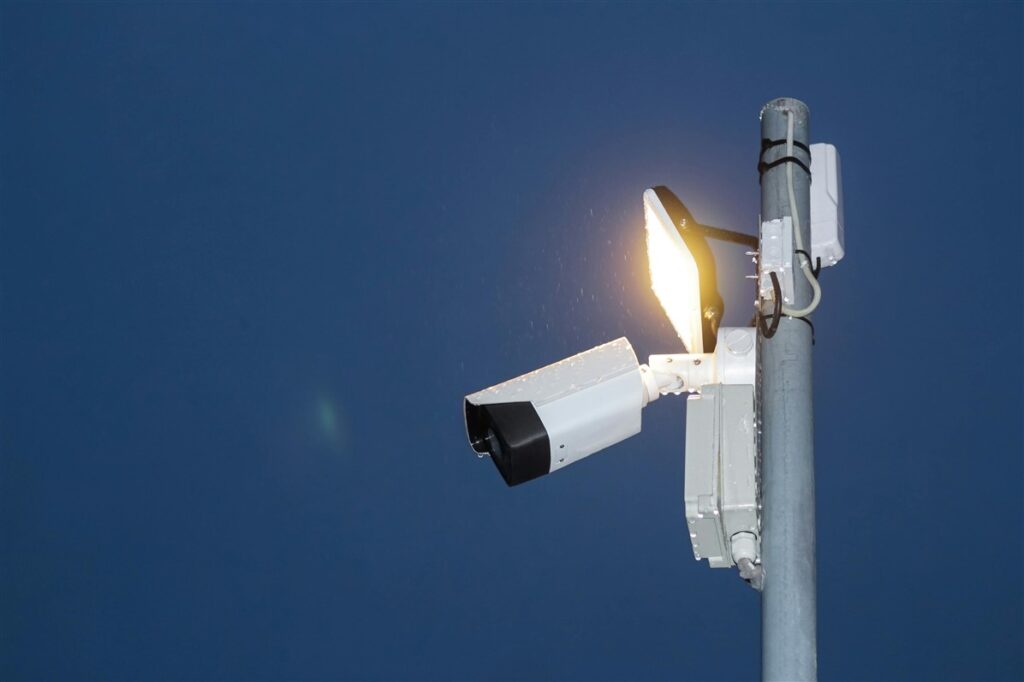
Will security lighting help to protect my staff?
Looking after the safety and well-being of employees should be a priority for any business. And while it’s not possible to mitigate every risk, there are measures you can take to improve their safety and security. One measure that is often overlooked is the installation of security lighting. When daylight disappears, visibility is reduced, increasing […]
Read more
Top 5 considerations when comparing electrical quotes
Budget is always a factor when you’re considering any type of upgrade, revamp, or maintenance work within your factory. But when it comes to electrical work, you have to consider more than just money. Don’t rush into accepting the cheapest electrical quotes without knowing exactly what you’re getting. Electrical work is not an area where […]
Read more
What is the role of companies in reducing our carbon footprint?
We should all be taking responsibility for protecting our planet and a big part of that is reducing our carbon footprint. But while it falls to all of us to do our bit, there is additional pressure on manufacturers, especially those with high carbon emissions. As an absolute minimum, these companies should ensure compliance with […]
Read more