


Our guide to building energy management systems
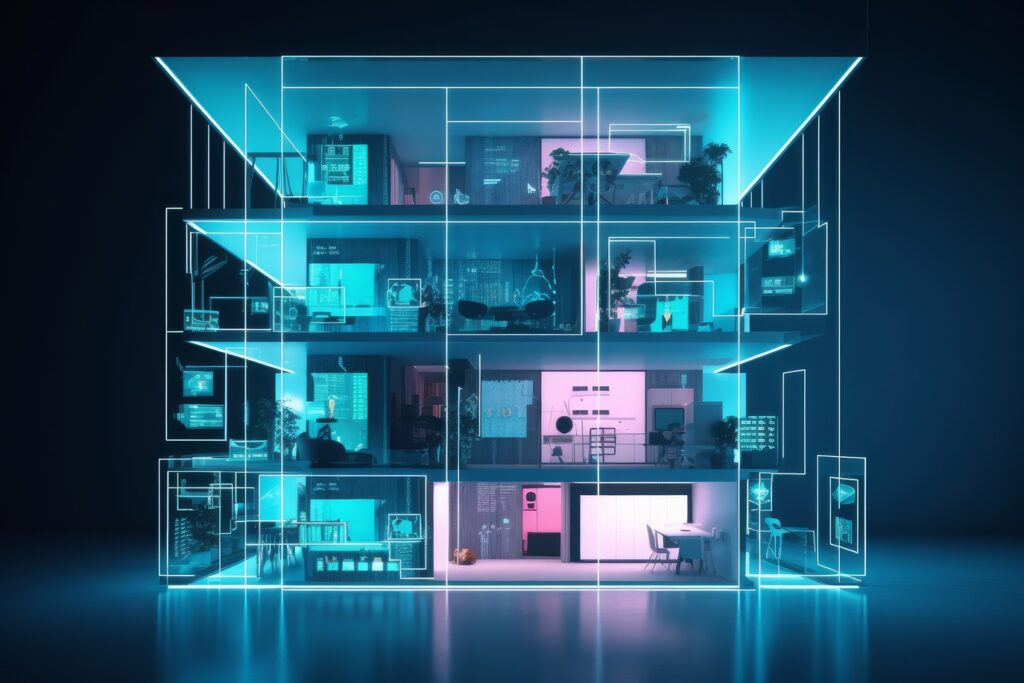
Building energy management systems (BEMS) are systems that allow you to monitor, control, and optimise the energy used within your building. The phrase building energy management system (BEMS) is often used interchangeably with the phrase building management system (BMS), but there are some differences.
A BEMS is focused on energy-related systems such as lighting, heating, ventilation and air conditioning (HVAC) and electrical equipment and machinery. A BMS covers these systems but also includes other building systems such as lifts, fire detection and alarm systems, and security and access control systems.
You can improve the efficiency of a building with either a BEMS or a BMS.
Understanding your energy consumption
The first step in creating your energy management system is understanding your key consumption areas. An energy audit will help you identify where power is being used and how efficiently it is being used in each of these areas.
Once you’ve completed an energy audit, you can start using the data to identify the areas where you can make the biggest improvements.
Key areas to look at include:
Lighting
Adequate lighting is essential for the safety of your teams, but that doesn’t mean lights have to be turned on at all times and running at full power. There are plenty of ways to make your lighting more efficient including:
• Upgrading to LED lighting
• Installing timers and motion sensors
• Switching to solar-powered lights
• Making use of daylight sensors
• Installing directional lighting
Heating, ventilation and air conditioning (HVAC)
Temperature control and ventilation are important, but HVAC systems can be a huge drain on power. Some of the easiest ways to reduce energy waste include:
• Draft proofing your building
• Installing SMART thermostats
• Ensuring regular cleaning, maintenance and servicing
• Investing in automated ventilation
• Installing heat pumps
• Switching to combined heating and power systems (CHP)
• Replacing inefficient systems
• Capturing heat for reuse
Equipment and machinery
Most machinery requires power, and where there is power, there is an opportunity for increased efficiency.
• Upgrade old appliances
• Be proactive with servicing and maintenance
• Install a voltage optimisation system
• Install variable speed drives
• Upgrade old or inefficient motors
• Improve power quality with Power Factor Correction (PFC)
Wiring
Faulty or outdated wiring can drain power and impact the performance of your electrical systems. You should get your wiring checked if you notice any of the following:
• Frequent electrical surges
• Regular circuit breaker trips
• Burning odours or smoky residue
• Hot switches or outlets
• Buzzing, crackling or sparking
• Flickering lights
• Damaged insulation
• Diminished equipment performance
• Frequent equipment failures

Implementing energy management systems
Control and automation systems have made it easier than ever to monitor, control, and optimise power.
They allow you to control processes locally or remotely and interact with devices, such as sensors, valves, pumps, or motors, through Human-Machine Interfaces.
You can also collect large quantities of data that will allow you to identify inefficiencies, anomalies, and energy waste so you can act quickly and make informed decisions.
An automated system will also allow you to detect faults more easily (and in some cases before they happen) allowing for faster rectification.
You can monitor equipment and collect predictive maintenance information, allowing maintenance to be scheduled before equipment failure occurs. This proactive approach can help reduce downtime and increase equipment lifespan.
Key benefits of a BEMS include:
• Accurate real-time data and reporting
• Easy to identify areas for improvement
• Identify and rectify faults more quickly
• Identify anomalies in power delivery or use
• Reduce energy waste
• Reduce energy consumption
• Optimise power
• Control lighting and power remotely
• Automate lighting, HVAC and electrical equipment
• Improve electrical safety
• Reduce energy bills
Consider integrating renewable energy systems
Building energy management systems can also be integrated with renewable energy systems, allowing you to reduce costs and your carbon footprint further.
Businesses of all sizes can tap into technologies that allow them to generate their own electricity. Doing so provides several benefits.
Reduced energy bills: third-party costs can make up as much as 60% of an electricity bill – if you generate your own power, you won’t incur these costs.
Price protection: when you get electricity from the grid, you’re subjected to price increases or fluctuations – not a problem when you have your own source of power.
Source of revenue: if you generate excess electricity, it’s possible to sell it to nearby consumers or suppliers.
Less waste: control how much power you produce and store any excess power to be used at peak times.
Reduce dependence on the grid: generating some or all your own power reduces your dependence on the grid.
Wind and solar power are the most viable options for smaller businesses. Wind-solar hybrid solutions are also an option, allowing you to benefit from sunshine in the summer months and make use of the wind during the winter.
Working with AES
When you weigh up the many benefits of implementing a building energy management system – both financial and non-financial – it’s certainly something worth considering.
AES specialises in increasing efficiency for single and multi-site manufacturing facilities across the UK. Our solutions put our customers in complete control, helping them reduce their costs and their carbon footprint.
We begin with a free site survey to assess all aspects of your manufacturing plant and all electrical installations, systems and equipment.
Based on our findings, we’ll put together a quotation for implementing improvements across the plant which may include:
• Energy efficient lighting
• Voltage optimisation
• Power factor correction
• Variable speed drives
• Control and automation
• Battery Energy Storage Solutions (BESS)
• Electrical vehicle charge points
Next comes the detailed design and programming phase, where our expert team map out the automated systems. We use the latest computer design software to ensure designs comply with the relevant British and European standards.
Finally, the build, installation and testing phase ensures your systems are working as intended to save production time and cost.
If you’d like to explore building energy management systems for your facility, contact our team today to book your free site survey.
Our guide to building energy management systems
Building energy management systems (BEMS) are systems that allow you to monitor, control, and optimise the energy used within your building. The phrase building energy management system (BEMS) is often used interchangeably with the phrase building management system (BMS), but there are some differences. A BEMS is focused on energy-related systems such as lighting, heating, […]
Read more
How far does power travel and what impact does distance have on performance
It’s easy to take our electricity supply for granted. We flick a switch and instantly have light or power. We don’t even think about it unless there’s an issue or an outage. But when there is an issue or outage, the impact can be significant. For manufacturers, even the smallest change in power can make […]
Read more
Why visibility of the production process is so important
Operational excellence, efficiency and quality are top priorities for almost every manufacturer worldwide. These things lead to improved productivity, happier customers and reduced waste – all of which result in increased profits. Visibility of the production process is the key to achieving these things. And manufacturers now have access to technology that can provide real-time […]
Read more
Will security lighting help to protect my staff?
Looking after the safety and well-being of employees should be a priority for any business. And while it’s not possible to mitigate every risk, there are measures you can take to improve their safety and security. One measure that is often overlooked is the installation of security lighting. When daylight disappears, visibility is reduced, increasing […]
Read more
Top 5 considerations when comparing electrical quotes
Budget is always a factor when you’re considering any type of upgrade, revamp, or maintenance work within your factory. But when it comes to electrical work, you have to consider more than just money. Don’t rush into accepting the cheapest electrical quotes without knowing exactly what you’re getting. Electrical work is not an area where […]
Read more
What is the role of companies in reducing our carbon footprint?
We should all be taking responsibility for protecting our planet and a big part of that is reducing our carbon footprint. But while it falls to all of us to do our bit, there is additional pressure on manufacturers, especially those with high carbon emissions. As an absolute minimum, these companies should ensure compliance with […]
Read more