


Six things to consider before hiring an electrical contractor
No one likes to waste money – least of all us. But we also like to see our clients spend their hard-earned pennies wisely. Electrical contractors are not all the same, so if you need help with general maintenance work, a refit or an emergency job, take a look at our top tips before you go any further.
1. Who are they?
Do some digging before you pick up the phone. Find out as much as you can about the electrical contractor: for example, how long has the company been going and what kind of work does it do?
Goldilocks had the right idea – size does matter. If the company is too big and impersonal, you may end up feeling like you’re just a number; if it’s too small, they might struggle to handle the job and react to your needs.
Find out the turnover from Companies House, including whether the company is up to date with filing its taxes – or, in the worse case scenario, has been struck off. Ask for references and follow them up, and search online for any other inside information you can find about the company.
2. Does ‘subbed’ equal substandard?
Do you know who will be carrying out the work? Some electrical contractors ‘sub’ every part of a job out and don’t actually do any of it themselves. Lots of others use sub-contractors, agencies or self-employed electricians to carry out part of their work.
This is standard practice and fair enough in principle: the workload of a contractor can vary throughout the year and using a third party helps to ensure they are only paying for additional labour when they need it. But as the client, you have a right to know who will be turning up on your doorstep and what sort of service they will be delivering.
3. Beware the ‘yes’ men
Some contractors will say yes to anything – and we mean anything. If a potential client approaches them with a job, they will smile and nod even if it’s outside their area of expertise. Before you know it, you’ve employed someone without the necessary experience.
Ask if the company has a proven track record in the work you need doing – and ask to see the proof. While some companies have a range of specialists and can tackle most kinds of jobs, beware of the ‘yes’ men – a botched job done on the cheap can be costly in the long run.
4. Accidents can happen
With the best will in the world, things can sometimes go wrong. But if your contractor doesn’t have the right insurance in place, you will be the one counting the cost.
Contractors should not only have employers and public insurance but also professional indemnity insurance (PI). This will cover any costs that may be awarded if a contractor is alleged to have provided inadequate advice, services or designs. Any of these things can lead to you losing money, so it’s important that you’re fully covered.
5. You just can’t get the staff
Find out which key staff are working on your project and check that they are fully qualified, especially the project manager. While every company will have trainees or apprentices – we all have to start somewhere – you wouldn’t expect them to be left unsupervised on a job.
The most common industry qualifications are:
City & Guilds – Electrotechnical Technology
AM2 – Electrotechnical Occupational Competence
NVQ – National Vocational Qualification
6. Does the contractor have accreditations?
Gaining accreditation to the following bodies doesn’t necessarily ensure a high standard of workmanship, however these industry recognised accreditations should at least ensure that the work is carried out to comply with wiring regulations.
NICEIC (National Inspection Council for Electrical Installation Contracting) The electrical contracting industry’s independent voluntary body for electrical installation matters throughout the UK.
ECA (Electrical Contractors Association) Trade association representing the interests of contractors who design, install, inspect, test and maintain electrical and electronic equipment and services.
Also look out for certification, where relevant, with:
Constructionline The UK's largest register for pre-qualified contractors and consultants.
IPAF (International Powered Access Federation) Promotes the safe and effective use of powered access equipment worldwide.
PASMA (Prefabricated Access Suppliers’ and Manufacturers’ Association) The leading trade association for the mobile access tower industry.
ECS (Electrotechnical Certification Scheme) The sole ID and competence card scheme for electrotechnical operatives in the UK, recognised and endorsed by the industry.
For health and safety, check that the company is registered with:
CHAS (Contractors Health and Safety Assessment Scheme) The largest scheme of its kind in the UK, dedicated to completing health and safety pre-qualification assessments to a nationally recognised standard.
Safecontractor A leading health and safety pre-qualification assessment scheme, dedicated to promoting higher standards of competence and compliance through the provision of relevant industry specific and tailored health and safety assessments.
We hope you found this helpful – for more tips and advice, take a look at our Latest News pages or call us on 01924 283 737.

Our guide to building energy management systems
Building energy management systems (BEMS) are systems that allow you to monitor, control, and optimise the energy used within your building. The phrase building energy management system (BEMS) is often used interchangeably with the phrase building management system (BMS), but there are some differences. A BEMS is focused on energy-related systems such as lighting, heating, […]
Read more
How far does power travel and what impact does distance have on performance
It’s easy to take our electricity supply for granted. We flick a switch and instantly have light or power. We don’t even think about it unless there’s an issue or an outage. But when there is an issue or outage, the impact can be significant. For manufacturers, even the smallest change in power can make […]
Read more
Why visibility of the production process is so important
Operational excellence, efficiency and quality are top priorities for almost every manufacturer worldwide. These things lead to improved productivity, happier customers and reduced waste – all of which result in increased profits. Visibility of the production process is the key to achieving these things. And manufacturers now have access to technology that can provide real-time […]
Read more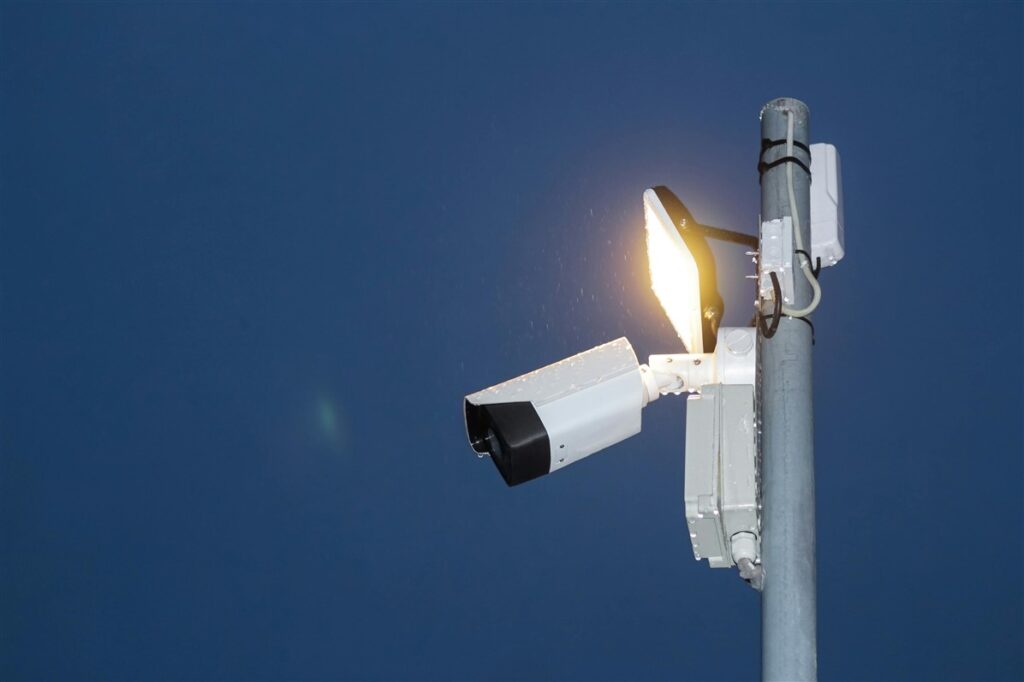
Will security lighting help to protect my staff?
Looking after the safety and well-being of employees should be a priority for any business. And while it’s not possible to mitigate every risk, there are measures you can take to improve their safety and security. One measure that is often overlooked is the installation of security lighting. When daylight disappears, visibility is reduced, increasing […]
Read more
Top 5 considerations when comparing electrical quotes
Budget is always a factor when you’re considering any type of upgrade, revamp, or maintenance work within your factory. But when it comes to electrical work, you have to consider more than just money. Don’t rush into accepting the cheapest electrical quotes without knowing exactly what you’re getting. Electrical work is not an area where […]
Read more
What is the role of companies in reducing our carbon footprint?
We should all be taking responsibility for protecting our planet and a big part of that is reducing our carbon footprint. But while it falls to all of us to do our bit, there is additional pressure on manufacturers, especially those with high carbon emissions. As an absolute minimum, these companies should ensure compliance with […]
Read more