


Bright spark – Top Three Energy-Saving Ideas
with Carl Johnson - Electrical Technician
It’s 2015 and it’s payback time – in a good way! After some challenging years for businesses during the economic downturn, we’ve decided it’s time to shout a little louder about the major savings that your company could be enjoying.
When times are tough companies tend not to invest in new machinery and systems, but this can be a false economy. An energy audit is the best way to evaluate your current set up, and get advice on where you might be missing out on potential savings. We can even provide an estimated payback figure before you commit.
Here are three of our top energy saving ideas to consider.
Change to low energy lighting
Energy-rated fluorescent lights have been on the market for some time now but it’s surprising how many businesses still aren’t aware of the benefits.
Not only do they last up to 10 times longer than standard light bulbs, but they also only use about 25% of the electricity and often provide a better level of light. This means that you start saving the day you install them: in some cases, it can even be more than half of your annual electricity bill. Cheaper, better and easy to install – what’s not to like?
Voltage Optimisation
Although we’ve written about Voltage Optimisation in previous newsletters, we thought we’d take the opportunity to flag up the benefits again, as it can help businesses of all sizes.
Most electrical equipment in the UK is designed to work at 230V but electricity suppliers are allowed to supply a voltage of 230V with a tolerance of +10% -5%. This means that the voltage can reach a level as high as 253V. Not only is this surplus to requirements, meaning you use and pay for more energy than required, but it can also decrease the life of your lighting and machinery.
Voltage Optimisation reduces the voltage supply to your equipment, which can cut energy use by up to 20% and reduce carbon emissions by up to 20%. It also reduces your maximum demand by up to 10% and keeps your electrical equipment running more effectively and for longer. Want to know more? Give us a call and we’ll drop by for a site survey and prepare a plan for your consideration.
Variable speed drives
Imagine that your body is a machine. Granted some of us have more down time than others, but everyone has times in the day when they are rushing about and other times when they are relaxing on the sofa.
This is pretty much what Variable Speed Drives are all about. Traditionally, compressors and other motors operate at a constant speed, producing significantly more power than the job requires. Variable Speed Drives, however, can power up or down as necessary, so you are only paying for the energy you need. Energy consumption can be reduced by as much as 50% – just imagine what that kind of saving might look like on your annual bill.
For more information on energy saving ideas, including those listed above, contact the AES office on 01924 283 737.
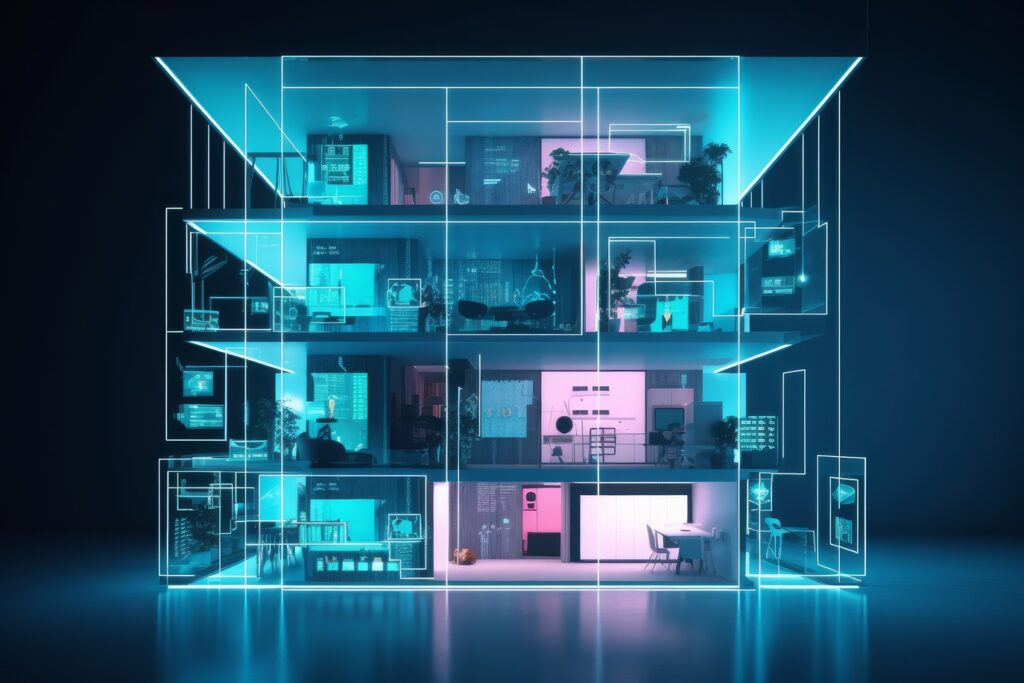
Our guide to building energy management systems
Building energy management systems (BEMS) are systems that allow you to monitor, control, and optimise the energy used within your building. The phrase building energy management system (BEMS) is often used interchangeably with the phrase building management system (BMS), but there are some differences. A BEMS is focused on energy-related systems such as lighting, heating, […]
Read more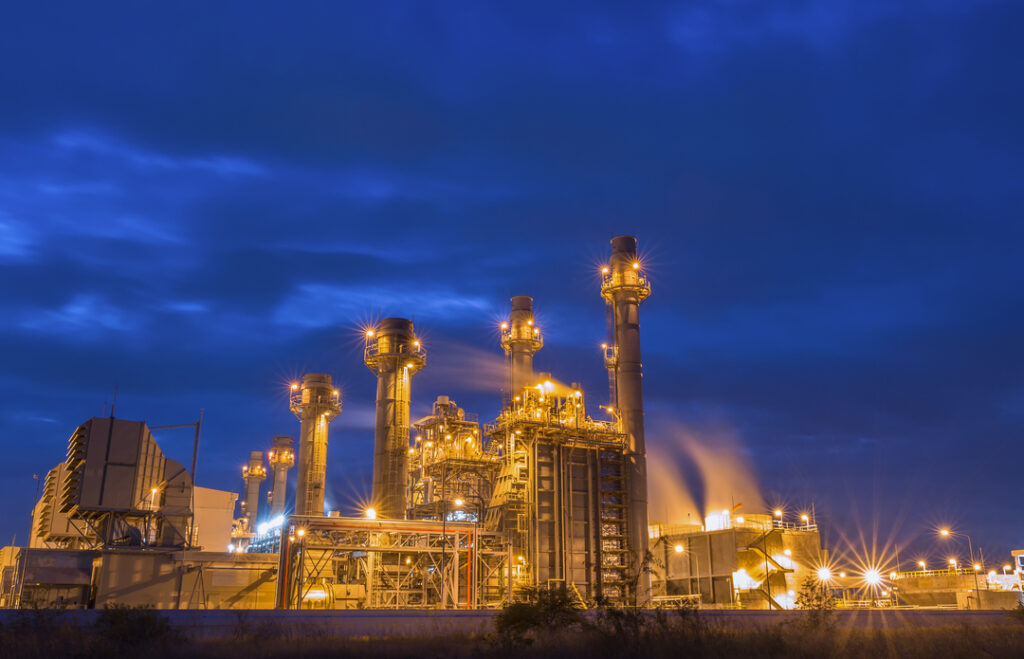
How far does power travel and what impact does distance have on performance
It’s easy to take our electricity supply for granted. We flick a switch and instantly have light or power. We don’t even think about it unless there’s an issue or an outage. But when there is an issue or outage, the impact can be significant. For manufacturers, even the smallest change in power can make […]
Read more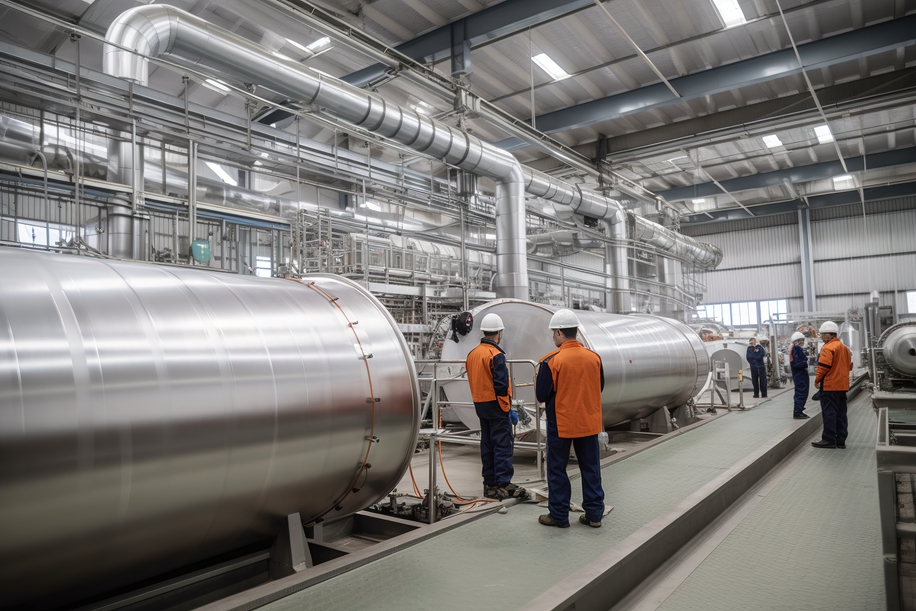
Why visibility of the production process is so important
Operational excellence, efficiency and quality are top priorities for almost every manufacturer worldwide. These things lead to improved productivity, happier customers and reduced waste – all of which result in increased profits. Visibility of the production process is the key to achieving these things. And manufacturers now have access to technology that can provide real-time […]
Read more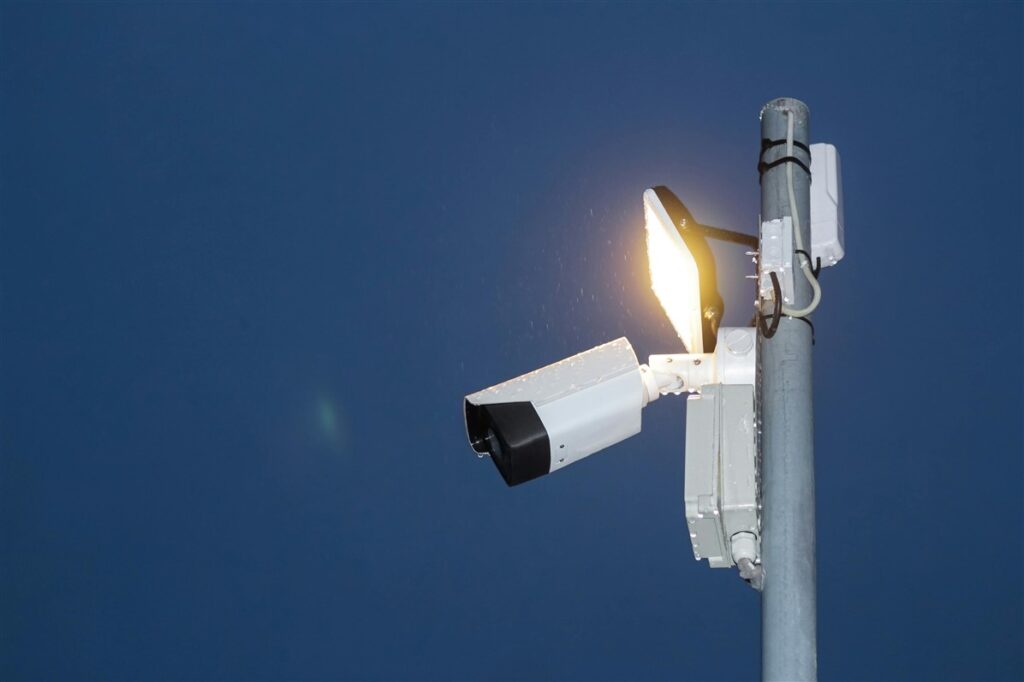
Will security lighting help to protect my staff?
Looking after the safety and well-being of employees should be a priority for any business. And while it’s not possible to mitigate every risk, there are measures you can take to improve their safety and security. One measure that is often overlooked is the installation of security lighting. When daylight disappears, visibility is reduced, increasing […]
Read more
Top 5 considerations when comparing electrical quotes
Budget is always a factor when you’re considering any type of upgrade, revamp, or maintenance work within your factory. But when it comes to electrical work, you have to consider more than just money. Don’t rush into accepting the cheapest electrical quotes without knowing exactly what you’re getting. Electrical work is not an area where […]
Read more
What is the role of companies in reducing our carbon footprint?
We should all be taking responsibility for protecting our planet and a big part of that is reducing our carbon footprint. But while it falls to all of us to do our bit, there is additional pressure on manufacturers, especially those with high carbon emissions. As an absolute minimum, these companies should ensure compliance with […]
Read more