


Bright Spark – Electrical Thermal Imaging
So what is Electrical Thermal Imaging?
Having superhero powers would be very useful in life. But while we can’t see through solid walls or metal casings with the naked eye, Electrical Thermal Imaging – or Thermography – is the next best thing. Essentially, it involves using a thermal imaging camera to check the condition of electrical connections and equipment.
When is Electrical Thermal Imaging used?
It’s particularly useful for checking hidden wiring, otherwise inaccessible systems and machinery that is permanently in use and would be inconvenient to turn off. While all systems can be checked, the focus is usually on key electrical panels and any connections that carry a high load.
How does it work?
Infrared radiation emitted by wiring or machinery is detected by a thermal imaging camera. If wiring is damaged or has come loose, there will be a resistance to current that causes the temperature to rise. The ‘hot spots’ created will be detected by the thermal imaging camera, showing up as red.
Why is it used?
Because it can expose potential problems before they develop into something more serious, Electrical Thermal Imaging has become an important diagnostic tool.
What are the benefits of Electrical Thermal Imaging?
Every company would be well advised to keep systems maintained and have them routinely tested as it invariably saves time and money in the long run.
First of all, if heat is escaping it means a system is not working at its most efficient. With energy prices continually on the rise, this is an unnecessary waste of resources – and bad for the environment too.
If a fault is left to develop unnoticed and unchecked, the increase in temperature can cause electrical system failures, forcing a shut down of machinery and downtime in production. It can even prove dangerous to staff operating the machinery or cause a fire to break out.
What’s better, waiting for disaster to strike or a regular, managed schedule of preventative maintenance that heads trouble off at the pass?
Who should carry out the testing?
A qualified electrical engineer is the best person to test your electrical systems and machinery. They will be able to operate the camera correctly, they will know what they are looking for and they will be best placed to work out what maintenance is required if any potential problem areas are spotted.
After testing a system or machinery, the engineer will prepare a report with images, detailing where any elevated temperature has been spotted and, if so, whether it’s within acceptable parameters. It will also provide recommendations in case of potential problems, for example to load test the circuit breaker and inspect cable connections. The recommendations can range from plans for repair at the next scheduled outage to urgent investigative and corrective action.
Your best bet is to find a good, reliable company to carry out the testing and book them to make regular visits, so that they can compare the read-outs each time with previous results.
Other points to consider
- Thermal imaging can recognise a wide range of temperatures, from around -50°C to more than 2,000°C.
- Testing can be used in most environments, from office spaces to heavy industry and everything in between.
- Thermal imaging involves non-intrusive ‘point-and-shoot’ equipment – no need to turn off machinery or damage building structure to carry out the assessment, or for the testing to take place outside normal working hours.
- A qualified electrical engineer will know what the correct temperature of an electrical system should be, including surface temperatures of equipment and machinery.

Our guide to building energy management systems
Building energy management systems (BEMS) are systems that allow you to monitor, control, and optimise the energy used within your building. The phrase building energy management system (BEMS) is often used interchangeably with the phrase building management system (BMS), but there are some differences. A BEMS is focused on energy-related systems such as lighting, heating, […]
Read more
How far does power travel and what impact does distance have on performance
It’s easy to take our electricity supply for granted. We flick a switch and instantly have light or power. We don’t even think about it unless there’s an issue or an outage. But when there is an issue or outage, the impact can be significant. For manufacturers, even the smallest change in power can make […]
Read more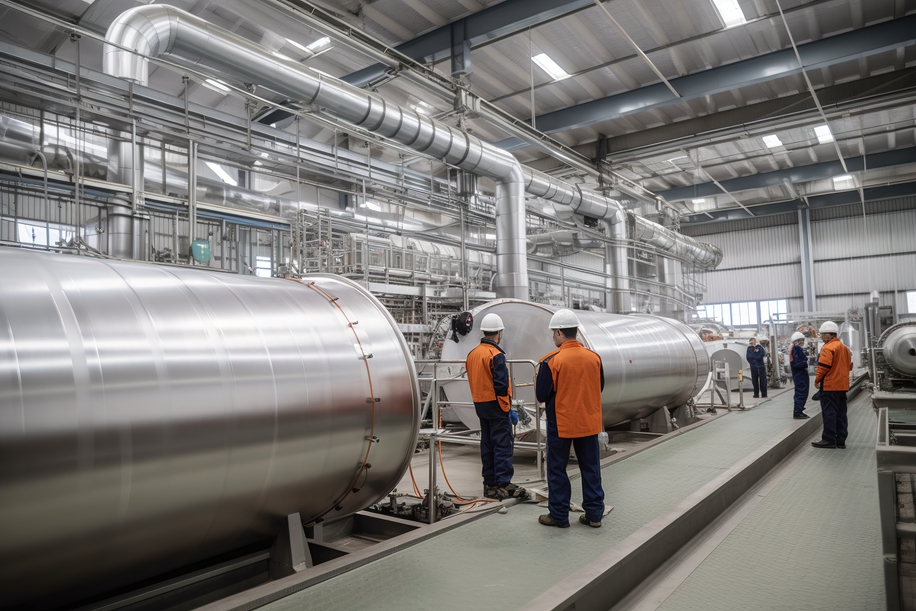
Why visibility of the production process is so important
Operational excellence, efficiency and quality are top priorities for almost every manufacturer worldwide. These things lead to improved productivity, happier customers and reduced waste – all of which result in increased profits. Visibility of the production process is the key to achieving these things. And manufacturers now have access to technology that can provide real-time […]
Read more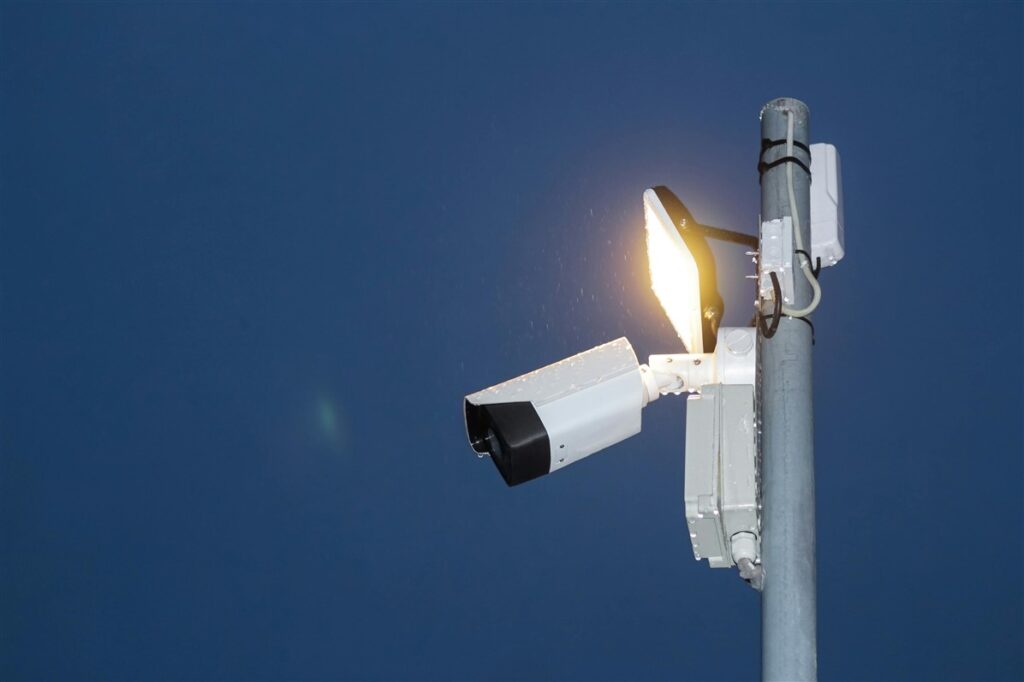
Will security lighting help to protect my staff?
Looking after the safety and well-being of employees should be a priority for any business. And while it’s not possible to mitigate every risk, there are measures you can take to improve their safety and security. One measure that is often overlooked is the installation of security lighting. When daylight disappears, visibility is reduced, increasing […]
Read more
Top 5 considerations when comparing electrical quotes
Budget is always a factor when you’re considering any type of upgrade, revamp, or maintenance work within your factory. But when it comes to electrical work, you have to consider more than just money. Don’t rush into accepting the cheapest electrical quotes without knowing exactly what you’re getting. Electrical work is not an area where […]
Read more
What is the role of companies in reducing our carbon footprint?
We should all be taking responsibility for protecting our planet and a big part of that is reducing our carbon footprint. But while it falls to all of us to do our bit, there is additional pressure on manufacturers, especially those with high carbon emissions. As an absolute minimum, these companies should ensure compliance with […]
Read more