


Lee’s Landmarks – Chatsworth House
If you find that organising electrical jobs at your workplace can be hard work at times, imagine the challenges that those running major landmarks have to face. Here, we look at some of the awe-inspiring stats of some familiar landmarks.
Chatsworth House
Located near Bakewell in Derbyshire, Chatsworth House is the home of the Duke and Duchess of Devonshire, passed down through 16 generations. The original dwelling on the estate was started in the 1550s, but has been largely rebuilt over the years, most notably between 1687 and 1707, with later works including a North Wing with a sculpture gallery.
The estate comprises a stately home with works of art spanning 4,000 years, plus gardens, parkland, farmyard, farm shop and restaurant.
A £32.7m Masterplan to review the building’s structure and renovate the house began in 2005 and is due for completion in November 2017.
Essential stats
• Number of rooms: 126
• Number of visitors annually: around 750,000
• Size of park: around 1,000 acres, surrounded by a wall stretching 2.8km
• Number of gardeners: 20
Electrical facts
• Number of State Rooms relit with LED spotlights in 2011: six
• Number of concealed LED spotlights used to light the oak staircase: 24
• Hydroelectricity has helped power the house since the 1890s and generators have been installed on weirs of the River Derwent within the estate
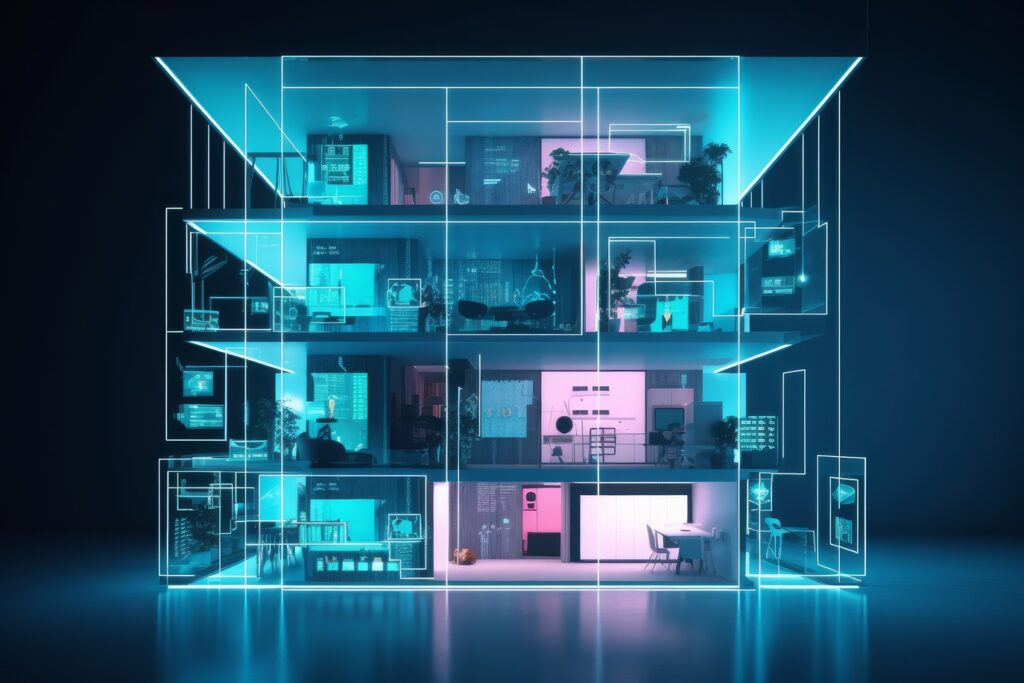
Our guide to building energy management systems
Building energy management systems (BEMS) are systems that allow you to monitor, control, and optimise the energy used within your building. The phrase building energy management system (BEMS) is often used interchangeably with the phrase building management system (BMS), but there are some differences. A BEMS is focused on energy-related systems such as lighting, heating, […]
Read more
How far does power travel and what impact does distance have on performance
It’s easy to take our electricity supply for granted. We flick a switch and instantly have light or power. We don’t even think about it unless there’s an issue or an outage. But when there is an issue or outage, the impact can be significant. For manufacturers, even the smallest change in power can make […]
Read more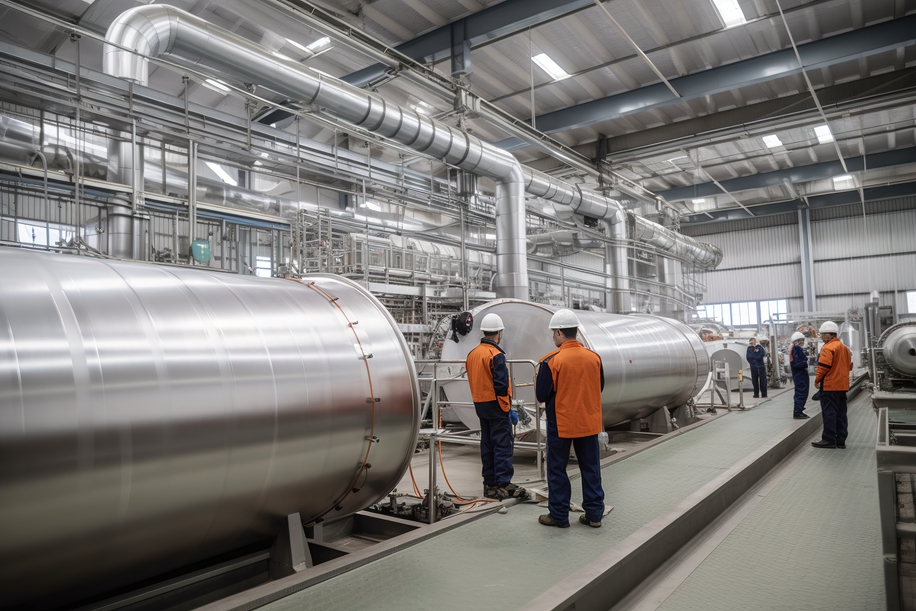
Why visibility of the production process is so important
Operational excellence, efficiency and quality are top priorities for almost every manufacturer worldwide. These things lead to improved productivity, happier customers and reduced waste – all of which result in increased profits. Visibility of the production process is the key to achieving these things. And manufacturers now have access to technology that can provide real-time […]
Read more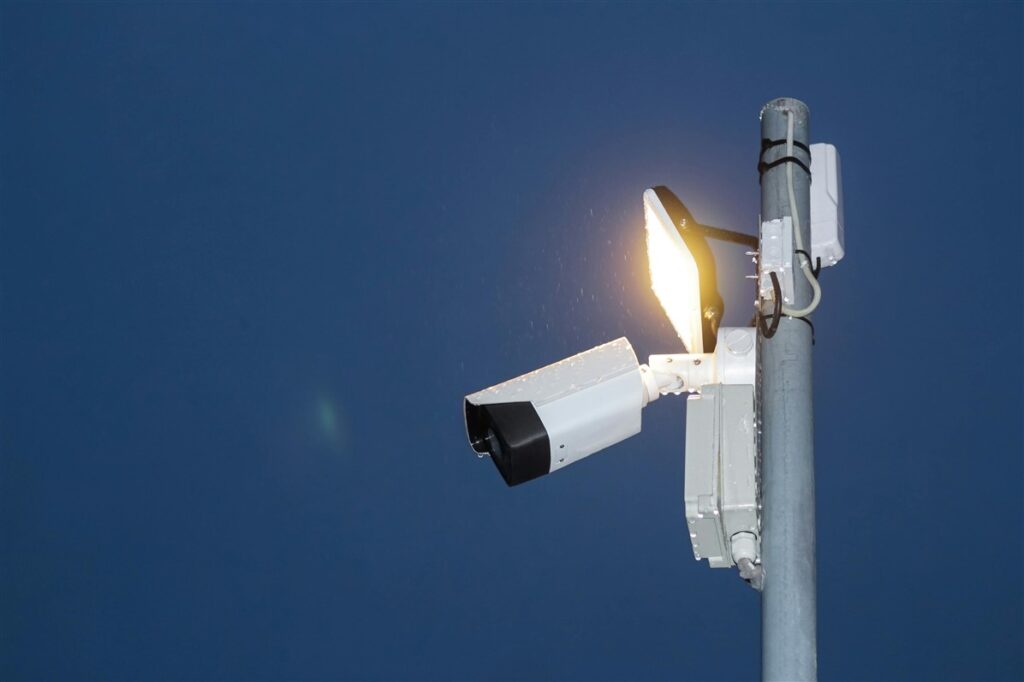
Will security lighting help to protect my staff?
Looking after the safety and well-being of employees should be a priority for any business. And while it’s not possible to mitigate every risk, there are measures you can take to improve their safety and security. One measure that is often overlooked is the installation of security lighting. When daylight disappears, visibility is reduced, increasing […]
Read more
Top 5 considerations when comparing electrical quotes
Budget is always a factor when you’re considering any type of upgrade, revamp, or maintenance work within your factory. But when it comes to electrical work, you have to consider more than just money. Don’t rush into accepting the cheapest electrical quotes without knowing exactly what you’re getting. Electrical work is not an area where […]
Read more
What is the role of companies in reducing our carbon footprint?
We should all be taking responsibility for protecting our planet and a big part of that is reducing our carbon footprint. But while it falls to all of us to do our bit, there is additional pressure on manufacturers, especially those with high carbon emissions. As an absolute minimum, these companies should ensure compliance with […]
Read more