


Lee’s Landmarks – National Media Museum, York Minster and British Museum
If you find that organising electrical jobs at your workplace can be hard work at times, imagine the challenges that those running major landmarks have to face. Here, we look at some of the awe-inspiring stats of three familiar landmarks.
National Media Museum
Located in Bradford, the museum opened on 16 June 1983 as The National Museum of Photography, Film and Television was renamed the National Media Museum on 1 December 2006.
The museum, which aims “to promote an appreciation and understanding of media”, boasts seven floors of free galleries and three cinemas, including the UK’s first IMAX theatre and the Pictureville Cinema, which can screen a range of historical formats. Items in the extensive television, photography and cinematography collections include the world’s oldest surviving negative, the earliest TV footage and the camera that made the earliest British moving pictures.
Essential stats:
- Number of items of historical significance: more than 3.5 million
- Number of visitors from July 2015-2016: 441,000
- Cost of new Wonderlab gallery opening in 2017: £1.8m
- The IMAX theatre is the biggest screen in Yorkshire
Electrical facts:
- In 1998, a new digital technology gallery was opened; this hosts the BBC’s Bradford offices and studios for BBC Radio Leeds
- Commissioned for UNESCO’s 2015 International Year of Light, An Additive Mix by light artist Liz West combined infinity mirrors with 250 coloured fluorescent tubes
York Minster
The Cathedral and Metropolitical Church of Saint Peter in York, commonly known as York Minster, is the largest medieval church in the UK. A wooden church was first built on the site in 627; the current building was completed in 1472 but has undergone many renovations, including work following fires in 1753, 1829, 1840 and 1984.
Completed in 1408, the Great East Window is the biggest expanse of medieval stained glass in the world. Of the 3,000-plus cathedrals across the globe, York Minster is one of only seven to have its own police force. A five-year, £20m conservation and restoration programme, York Minster Revealed, came to an end in March 2016.
Essential stats:
- Length of the Minster: 160m (524ft 6”)
- Height of the central tower: 72m (235ft)
- Number of stained glass windows: 128
- Cost per day of running York Minster: £20,000
Electrical facts:
- In 2009, an electrical fault in nearby offices caused a fire in the Minster’s stonemasons’ yard. Fortunately, the Great East Window, which was being renovated in the yard, escaped damage
- After the devastating 1984 blaze, the report on the Minster’s electrical equipment said: “The wiring was of a high standard, enclosed in earthed conduits with protective breakers. These circuit breakers had been activated as a result of the fire.” The Fire Brigade report stated it was 80% possible the fire had been caused by a lightning strike.
- The 11th Illuminated York project (26-29 October 2016) includes a commission for Jason Bruges Studio (who lit The Shard in London on New Year’s Eve), using white light and particulate suspended in the air of the cathedral’s nave
British Museum
Founded in 1753, the British Museum opened its doors to the public in 1759 as the first national public museum in the world, with more than 71,000 objects bequeathed by naturalist Sir Hans Sloane.
Today the British Museum is most popular visitor attraction in Britain – topping the poll for nine years in a row. Famous items on display include the Rosetta Stone, the Sutton Hoo helmet, Egyptian mummies and the Parthenon Sculptures. Its Islamic galleries will reopen in 2018 as the refurbished Albukhary Foundation Gallery of the Islamic World.
Essential stats:
- Number of visitors in the year 2015-2016: 6,853,540
- Number of objects in the museum: over eight million
- Number of individual panes of glass in the Great Court’s roof: 3,312
- Number of objects loaned to institutions outside the UK in 2015-2016: more than 3,000 objects to almost 170 venues
Electrical facts:
- Total gas and electricity consumption (2014/15): 27,863KWh
- Total gas and electricity cost (2014/15): £2.2m
- Amount of wiring required for the lighting system in the Enlightenment Gallery (formerly the King’s Library): 200km (twice round the M25 motorway)
- Since 2015, the museum has offered free WiFi in all of the building’s public spaces
- In 2009, the museum was awarded the Carbon Trust Standard for reducing its carbon footprint
Our guide to building energy management systems
Building energy management systems (BEMS) are systems that allow you to monitor, control, and optimise the energy used within your building. The phrase building energy management system (BEMS) is often used interchangeably with the phrase building management system (BMS), but there are some differences. A BEMS is focused on energy-related systems such as lighting, heating, […]
Read more
How far does power travel and what impact does distance have on performance
It’s easy to take our electricity supply for granted. We flick a switch and instantly have light or power. We don’t even think about it unless there’s an issue or an outage. But when there is an issue or outage, the impact can be significant. For manufacturers, even the smallest change in power can make […]
Read more
Why visibility of the production process is so important
Operational excellence, efficiency and quality are top priorities for almost every manufacturer worldwide. These things lead to improved productivity, happier customers and reduced waste – all of which result in increased profits. Visibility of the production process is the key to achieving these things. And manufacturers now have access to technology that can provide real-time […]
Read more
Will security lighting help to protect my staff?
Looking after the safety and well-being of employees should be a priority for any business. And while it’s not possible to mitigate every risk, there are measures you can take to improve their safety and security. One measure that is often overlooked is the installation of security lighting. When daylight disappears, visibility is reduced, increasing […]
Read more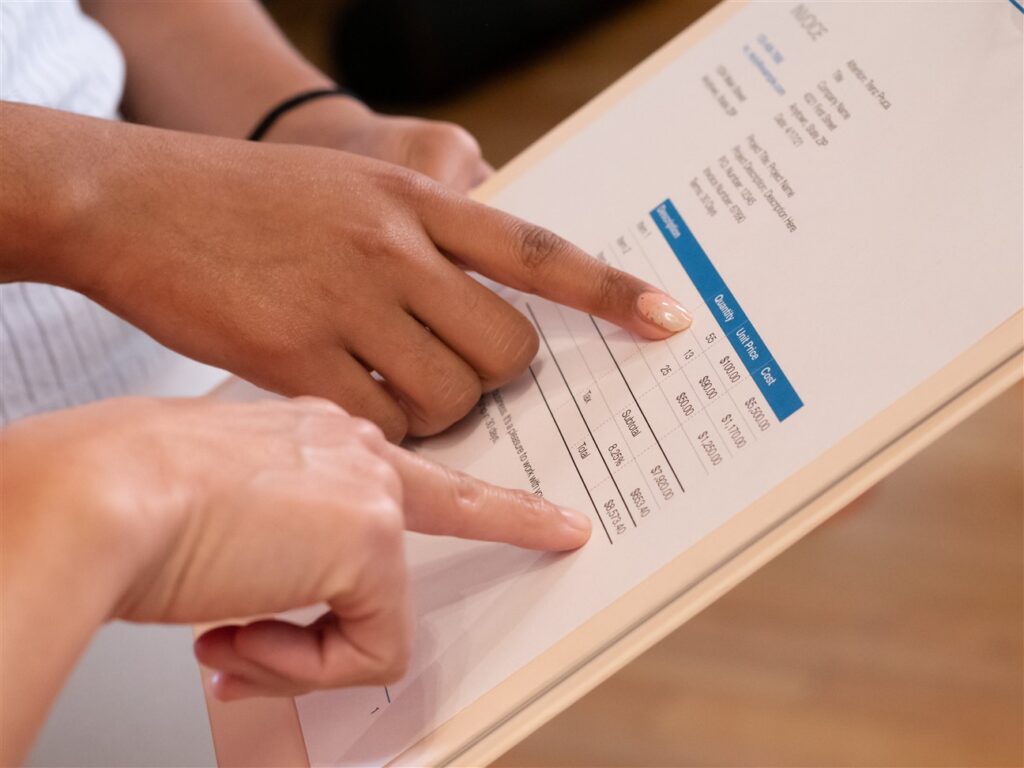
Top 5 considerations when comparing electrical quotes
Budget is always a factor when you’re considering any type of upgrade, revamp, or maintenance work within your factory. But when it comes to electrical work, you have to consider more than just money. Don’t rush into accepting the cheapest electrical quotes without knowing exactly what you’re getting. Electrical work is not an area where […]
Read more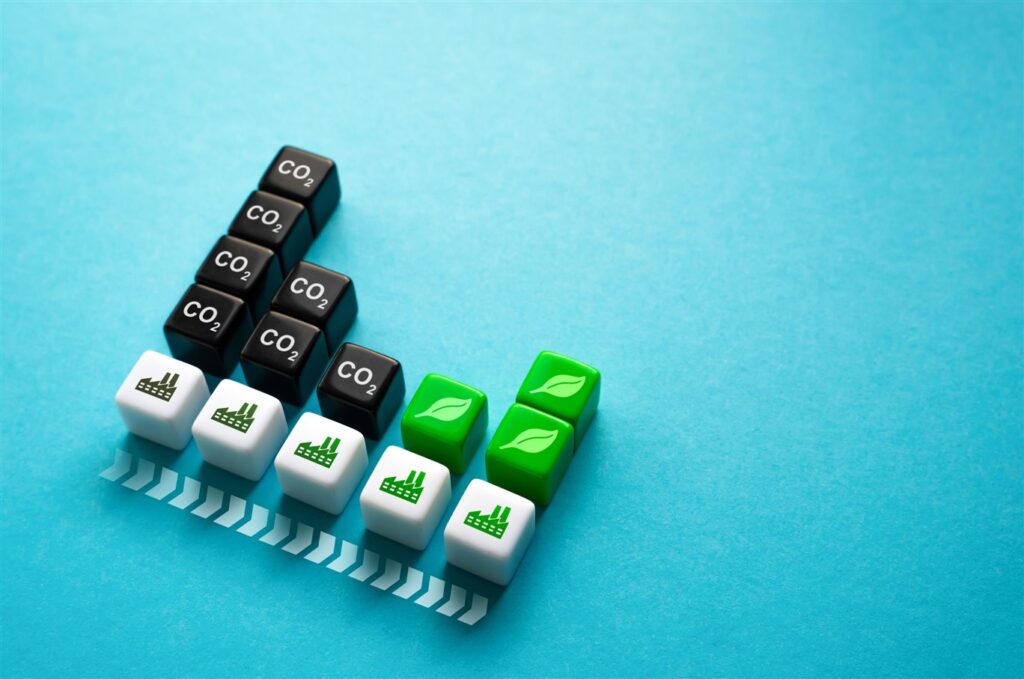
What is the role of companies in reducing our carbon footprint?
We should all be taking responsibility for protecting our planet and a big part of that is reducing our carbon footprint. But while it falls to all of us to do our bit, there is additional pressure on manufacturers, especially those with high carbon emissions. As an absolute minimum, these companies should ensure compliance with […]
Read more