


Lee’s Landmarks – Royal Albert Hall
If you find that organising electrical jobs at your workplace can be hard work at times, imagine the challenges that those running major landmarks have to face. Here, we look at some of the awe-inspiring stats of some familiar landmarks.
Albert Hall
Opened by Queen Victoria in 1871 and named in memory of her husband, the Albert Hall is located in South Kensington, London.
Its vast roof is made of wrought iron and glass; during both world wars it was used by pilots to help them navigate across London. The sound quality was later improved by the addition of fibreglass acoustic diffusers known as “mushrooms” attached to the ceiling.
The hall hosts hundreds of concerts and gigs every year, from The Proms to Kylie Minogue, as well as ballet, opera, comedy, sporting events, award ceremonies and film premieres.
The historic Grade I listed building is currently undergoing extensive works, called The Great Excavation, to provide additional facilities for artists, crews and audiences.
Essential stats
• Capacity (seated): 5,272
• Height of dome: 41m
• Length of mosaic frieze around the building: 244m
• Number of organ pipes: 9,999
Electrical facts
• Date electric lights were fully installed by: 1888
• Recent lighting features include a fabric lightbox behind the box office
• In 2013, a small fire broke out in an electrical unit in the basement, causing the cancellation of that night’s sell-out show and the evacuation of 3,500 people
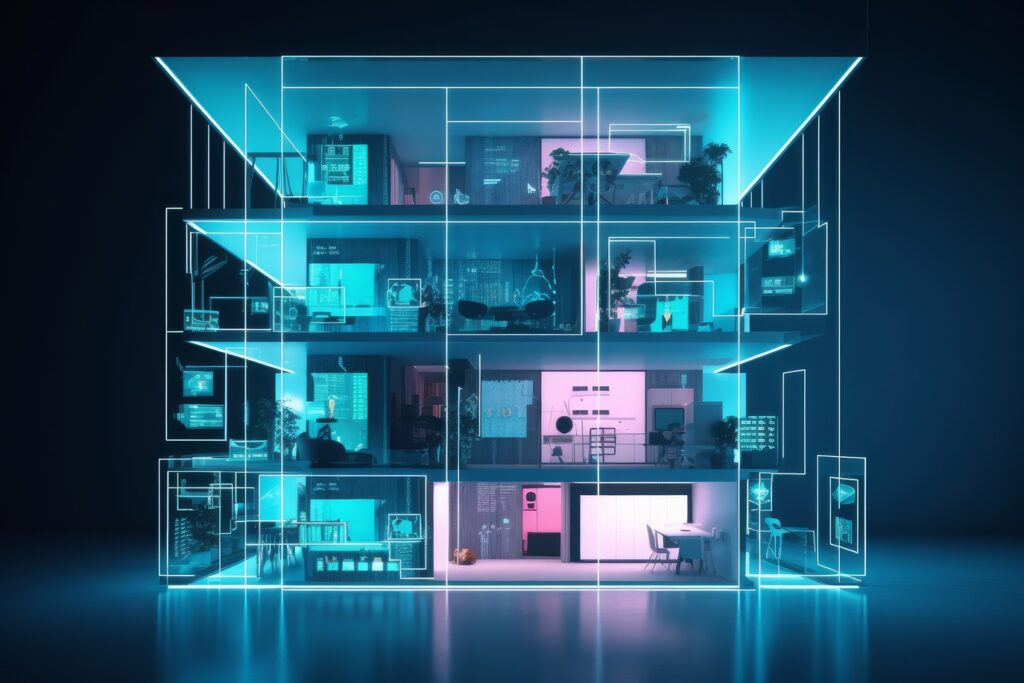
Our guide to building energy management systems
Building energy management systems (BEMS) are systems that allow you to monitor, control, and optimise the energy used within your building. The phrase building energy management system (BEMS) is often used interchangeably with the phrase building management system (BMS), but there are some differences. A BEMS is focused on energy-related systems such as lighting, heating, […]
Read more
How far does power travel and what impact does distance have on performance
It’s easy to take our electricity supply for granted. We flick a switch and instantly have light or power. We don’t even think about it unless there’s an issue or an outage. But when there is an issue or outage, the impact can be significant. For manufacturers, even the smallest change in power can make […]
Read more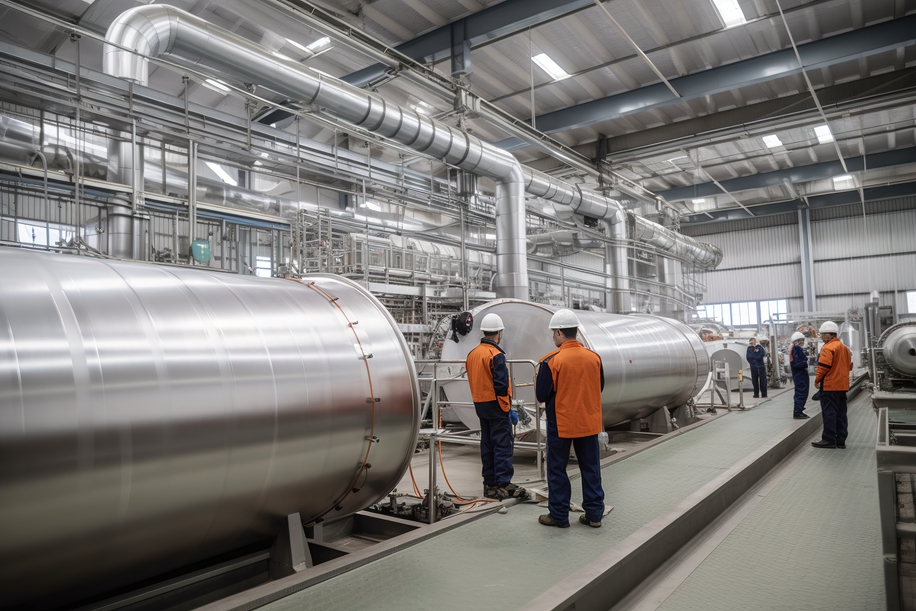
Why visibility of the production process is so important
Operational excellence, efficiency and quality are top priorities for almost every manufacturer worldwide. These things lead to improved productivity, happier customers and reduced waste – all of which result in increased profits. Visibility of the production process is the key to achieving these things. And manufacturers now have access to technology that can provide real-time […]
Read more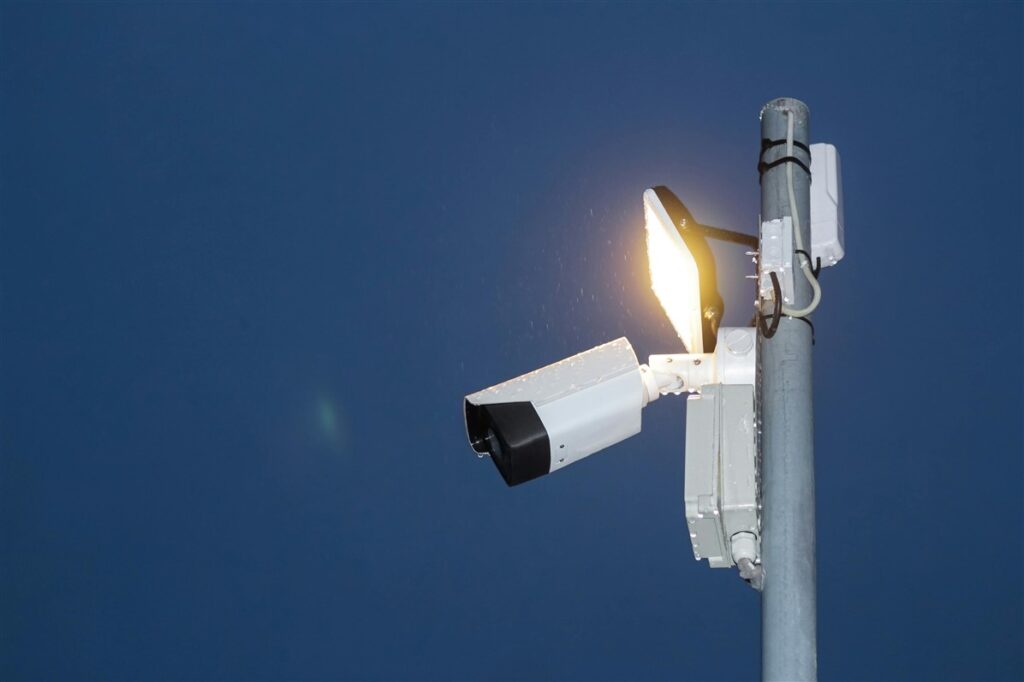
Will security lighting help to protect my staff?
Looking after the safety and well-being of employees should be a priority for any business. And while it’s not possible to mitigate every risk, there are measures you can take to improve their safety and security. One measure that is often overlooked is the installation of security lighting. When daylight disappears, visibility is reduced, increasing […]
Read more
Top 5 considerations when comparing electrical quotes
Budget is always a factor when you’re considering any type of upgrade, revamp, or maintenance work within your factory. But when it comes to electrical work, you have to consider more than just money. Don’t rush into accepting the cheapest electrical quotes without knowing exactly what you’re getting. Electrical work is not an area where […]
Read more
What is the role of companies in reducing our carbon footprint?
We should all be taking responsibility for protecting our planet and a big part of that is reducing our carbon footprint. But while it falls to all of us to do our bit, there is additional pressure on manufacturers, especially those with high carbon emissions. As an absolute minimum, these companies should ensure compliance with […]
Read more