


Jargon Busted – Halloween Horror Stories
As it’s the season of all things spooky, we thought we’d let you in on some of the horror stories we’ve encountered in our many years in the business. Just don’t read this at night in a haunted house – you may (not) live to regret it!
Things that go bump, not always in the night
If you hear humming sounds or a little vibration from your electrical equipment, there’s no need to call out the Ghostbusters – a few strange noises can be quite normal.
However, if you notice excessive noise or vibration coming from your equipment, you’d be well advised to get it checked out, as these can often be caused by loose connections. Another more worrying sign of a loose connection is a build up of heat, often resulting in damaged cables and fires.
A common call out we receive is to repair damage caused by loose connections. These works have ranged from a simple quick fix through to replacing whole sections of switchgear at a cost of £30k and four days down time for the client.
If you want to avoid horror stories like that, an electrical inspection or thermographic survey is the best way to detect loose connections before they cause any real damage.
Frankenstein switchgear
What on earth is that? – you may ask. Just as Frankenstein’s Monster was created from a strange mix of different parts, sometimes switchgear and distribution boards are built or installed with an odd mix of different manufacturers’ components.
The end result may work, but as with Frankenstein’s Monster, it’s only a matter of time before things go horribly wrong.
For a start, manufacturers of electrical equipment will only offer a warranty on their products if they are fully compatible with others. For example, if you use one of the cheaper copy circuit breakers available, they may fit the branded distribution boards but the manufacturer of the board won’t honour any warranties if things go wrong.
In addition, the equipment won’t comply with the IET Wiring Regulations, which state that equipment needs to be installed as per manufacturers’ recommendations.
In short, the practice of mixing components can cause a range of serious problems that could have you running screaming from the room.
Over the years we have been called out to fix lots of switchgear fitted with non- compatible equipment. Often it is just a matter of replacing the parts with new ones; however, we have also had to replace whole sections of switchgear that has been butchered beyond belief to make non- compliant parts fit.
Ghosts in the machine
Ever had a machine with a mind of its own that works one day and not the next, for no known reason? Chances are it isn’t goblins sabotaging the machine during the night – intermittent faults on electrical equipment are very common for lots of different reasons.
Some faults can easily be found, whereas others need to be identified by trial and error. If you have any intermittent faults it is definitely a good idea to get the machinery checked out.
Switch rooms from hell
An electrical switch room should be fit for purpose, not a dark, scary place where danger lurks around every corner.
Ideally, a switch room should be:
- Well lit (including emergency lighting)
- Dry and ventilated
- Clear of obstructions, internally and externally
- Well labelled
- Clean and tidy
- Provided with heat/smoke detection
- Secure, with only authorised persons having access
Switch rooms are not storerooms: keeping flammable materials and substances in your switch room is definitely not a good idea. We’ve seen petrol lawn mowers, cardboard boxes from floor to ceiling and even supermarket trolleys kept in electrical switch rooms.
It is also important to consider whether you would be able to access a distribution board in an emergency or for essential maintenance. If there’s any risk of damage from activities around the distribution board, for example from the use of forklift trucks, it’s a good idea to install barriers.
So there you have it. Beware of the dangerous practices that can lead to real life horrors and you will be able to enjoy the chills and thrills of Halloween all the more!

Our guide to building energy management systems
Building energy management systems (BEMS) are systems that allow you to monitor, control, and optimise the energy used within your building. The phrase building energy management system (BEMS) is often used interchangeably with the phrase building management system (BMS), but there are some differences. A BEMS is focused on energy-related systems such as lighting, heating, […]
Read more
How far does power travel and what impact does distance have on performance
It’s easy to take our electricity supply for granted. We flick a switch and instantly have light or power. We don’t even think about it unless there’s an issue or an outage. But when there is an issue or outage, the impact can be significant. For manufacturers, even the smallest change in power can make […]
Read more
Why visibility of the production process is so important
Operational excellence, efficiency and quality are top priorities for almost every manufacturer worldwide. These things lead to improved productivity, happier customers and reduced waste – all of which result in increased profits. Visibility of the production process is the key to achieving these things. And manufacturers now have access to technology that can provide real-time […]
Read more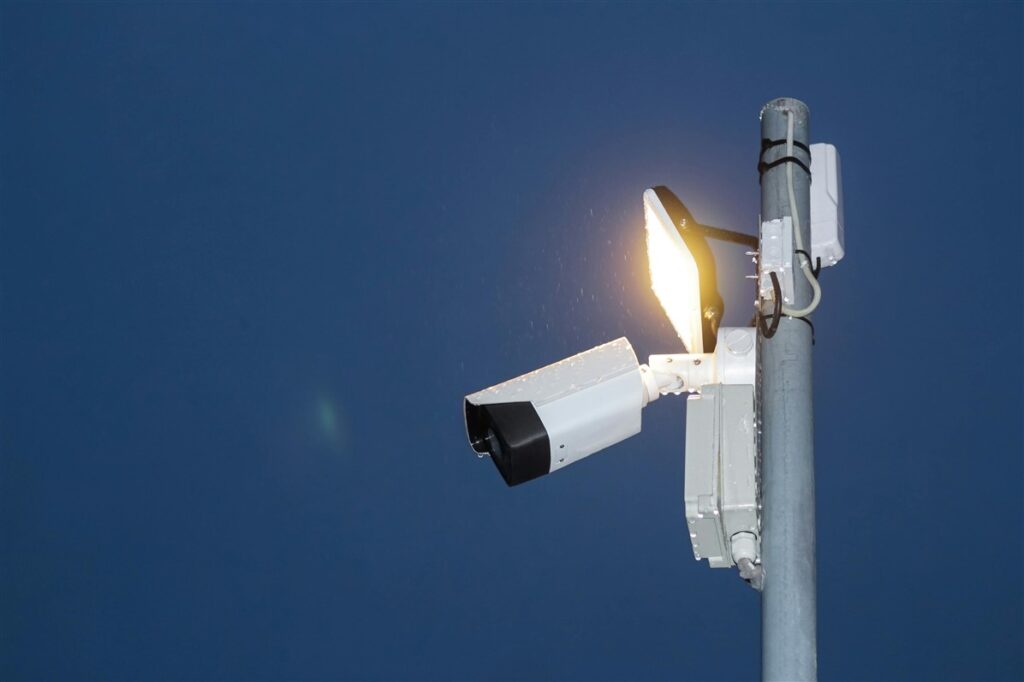
Will security lighting help to protect my staff?
Looking after the safety and well-being of employees should be a priority for any business. And while it’s not possible to mitigate every risk, there are measures you can take to improve their safety and security. One measure that is often overlooked is the installation of security lighting. When daylight disappears, visibility is reduced, increasing […]
Read more
Top 5 considerations when comparing electrical quotes
Budget is always a factor when you’re considering any type of upgrade, revamp, or maintenance work within your factory. But when it comes to electrical work, you have to consider more than just money. Don’t rush into accepting the cheapest electrical quotes without knowing exactly what you’re getting. Electrical work is not an area where […]
Read more
What is the role of companies in reducing our carbon footprint?
We should all be taking responsibility for protecting our planet and a big part of that is reducing our carbon footprint. But while it falls to all of us to do our bit, there is additional pressure on manufacturers, especially those with high carbon emissions. As an absolute minimum, these companies should ensure compliance with […]
Read more