


How to slash 20% off your energy costs
Saving money on your electric bills is much easier than you think and could save you up to 20% off your annual energy costs.
It's better for the environment too, because using less energy cuts your carbon dioxide emissions into the atmosphere.
Here we look at some of the ways in which we can help you make the most of these benefits:
TIP 1
If you use standard, everyday inefficient light bulbs, replace them with Energy Rated fluorescent lights. These last up to 10 times as long as standard light bulbs and use only one-quarter as much electricity!
Fitting presence detector lighting controls in places that are not in constant use, for example in corridors or photocopying room, is another effective way of reducing energy use.
Simple but effective!
TIP 2
Voltage optimisation can reduce your energy bills by 10-12%, even more in some cases. Sounds complicated, but in reality it simply means‚ the voltage you receive from you're your supplier to as near to 230V as possible, as for much of the time it is much higher than this, up to 253V in some cases.
The savings from voltage optimisation have helped many of our customers reduce their energy bills, which is why we take an in depth look at this area in our newsletters, Jargon Buster.
TIP 3
Variable Speed Drives (VSD) are used to regulate the speed of your compressors and other motors, which often produce far more power than you need to do the job.
Often machines in your factory are designed to operate at a constant speed, when in reality you really need it to operate at different speeds for different products.
Imagine the amount of energy you can save if you have the ability to slow down a machine so that it is operating at an optimum level.
VSD's can reduce energy consumption of an electric motor by as much as 50% by controlling the motor speed‚ a simple but highly effective, and easier than you think to retrofit onto your existing equipment.
TIP 4
Have you ever noticed how our industry is peppered with complicated-sounding words such as Power Factor Correction.
We're not even going to try and go into the detail on this one, apart from saying that all industrial customers pay for the energy losses they cause in the warm power lines. You see what we mean!
But, don't worry, leave all the techie bits to us, and just think about how we can use it to save you significant amounts on your energy bill.
TIP 5
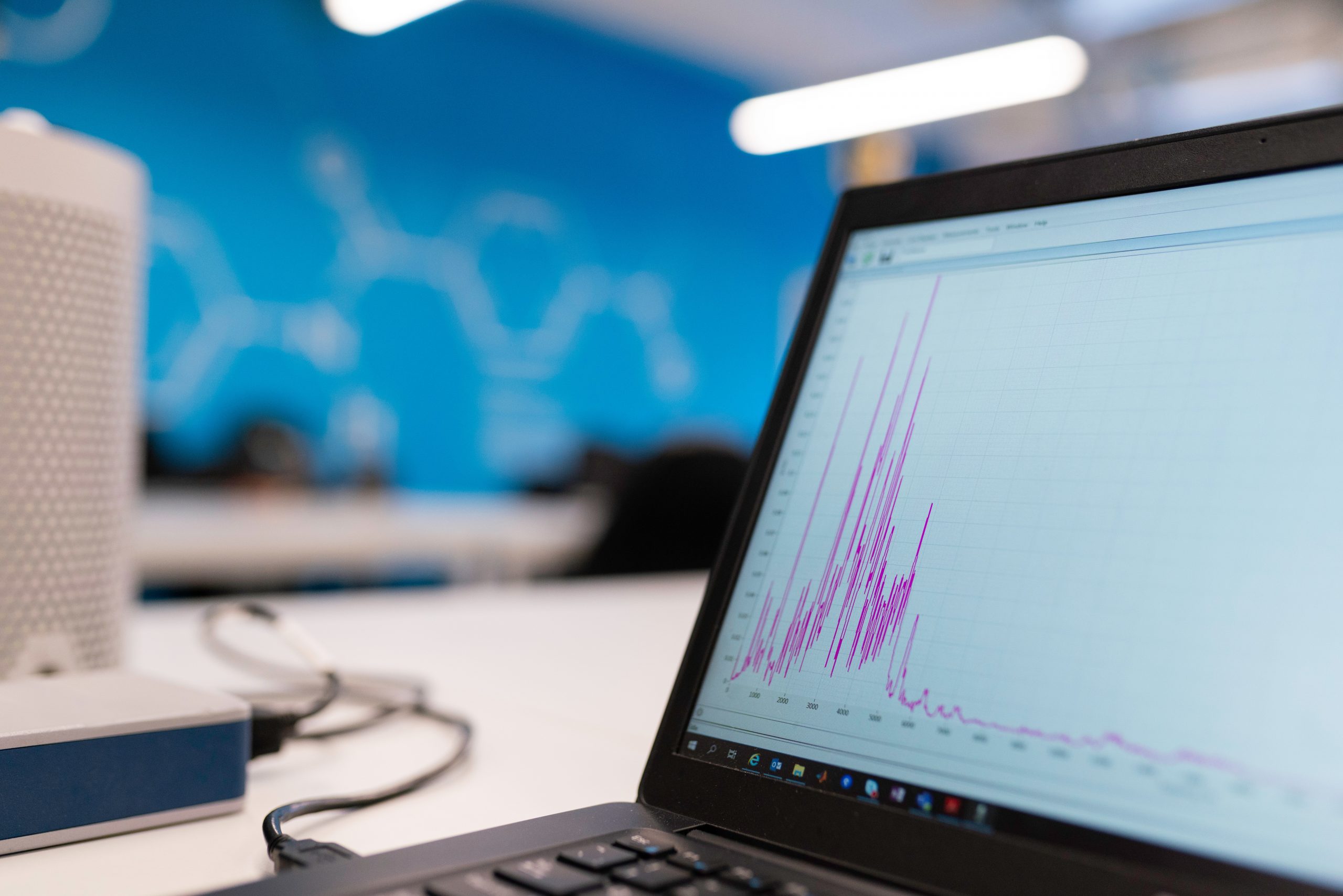
Energy audits are a great way of identifying where savings can be made to your business. Our audits involve monitoring the system for power consumption, power quality, power factor and other relevant aspects of energy use.
Once we've carried out the audit we recommend how you can go about making savings off your energy bill. Part of our proposal will involve calculation of savings and, with it, expected payback durations.
Whatever type of business you operate we are able to offer guidance on the best energy savings measures. We have been helping business owners and managers for over a decade, which means we will quickly recommend the best ways forward.
Give us a call today to find out how we can help increase the energy efficiency of your business and save you money.
Our guide to building energy management systems
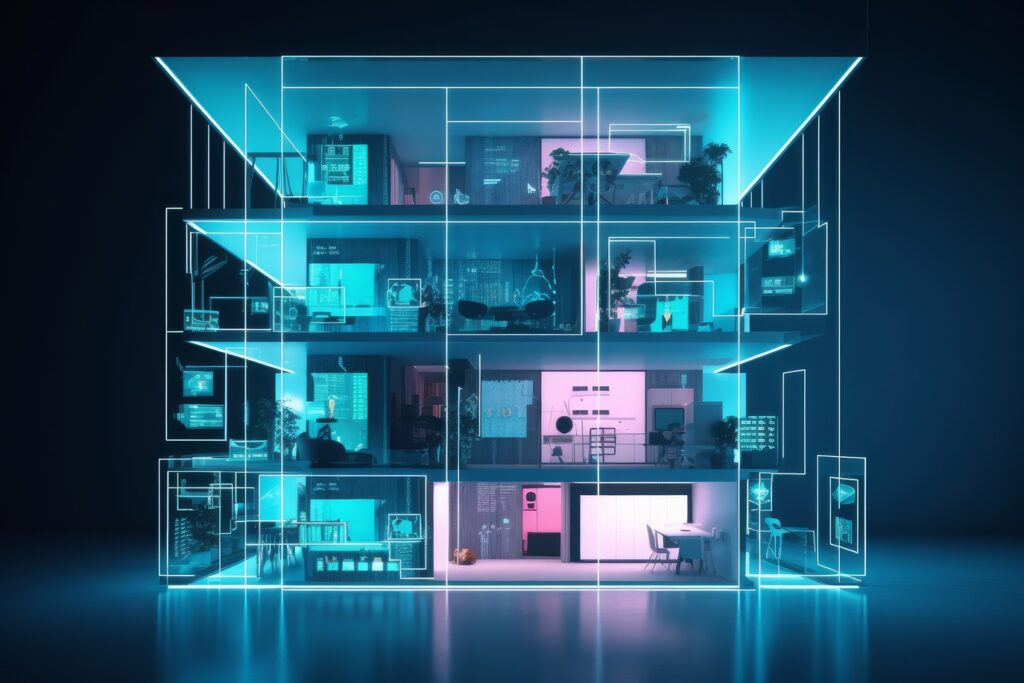
Building energy management systems (BEMS) are systems that allow you to monitor, control, and optimise the energy used within your building. The phrase building energy management system (BEMS) is often used interchangeably with the phrase building management system (BMS), but there are some differences. A BEMS is focused on energy-related systems such as lighting, heating, […]
Read more
How far does power travel and what impact does distance have on performance
It’s easy to take our electricity supply for granted. We flick a switch and instantly have light or power. We don’t even think about it unless there’s an issue or an outage. But when there is an issue or outage, the impact can be significant. For manufacturers, even the smallest change in power can make […]
Read more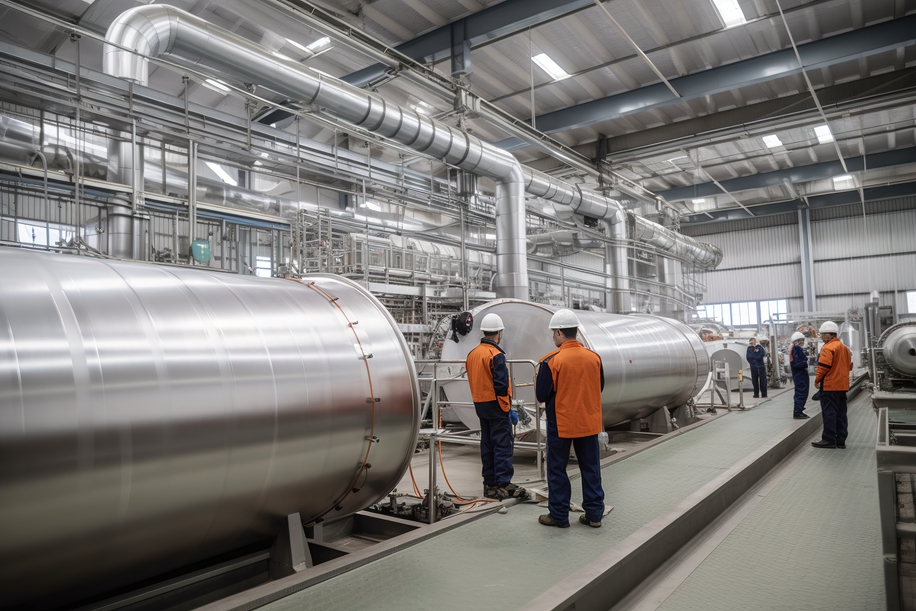
Why visibility of the production process is so important
Operational excellence, efficiency and quality are top priorities for almost every manufacturer worldwide. These things lead to improved productivity, happier customers and reduced waste – all of which result in increased profits. Visibility of the production process is the key to achieving these things. And manufacturers now have access to technology that can provide real-time […]
Read more
Will security lighting help to protect my staff?
Looking after the safety and well-being of employees should be a priority for any business. And while it’s not possible to mitigate every risk, there are measures you can take to improve their safety and security. One measure that is often overlooked is the installation of security lighting. When daylight disappears, visibility is reduced, increasing […]
Read more
Top 5 considerations when comparing electrical quotes
Budget is always a factor when you’re considering any type of upgrade, revamp, or maintenance work within your factory. But when it comes to electrical work, you have to consider more than just money. Don’t rush into accepting the cheapest electrical quotes without knowing exactly what you’re getting. Electrical work is not an area where […]
Read more
What is the role of companies in reducing our carbon footprint?
We should all be taking responsibility for protecting our planet and a big part of that is reducing our carbon footprint. But while it falls to all of us to do our bit, there is additional pressure on manufacturers, especially those with high carbon emissions. As an absolute minimum, these companies should ensure compliance with […]
Read more