


Bright Sparks – Caroline Haslett
The modern world would look very different without the contributions of those who helped us harness electricity and develop electrical equipment. Here, we focus on some of the pioneers of the electrical world and their remarkable achievements.
NAME: Caroline Haslett
DATES: 17 August 1895 (Worth, Suffolk) – 4 January 1957 (Bungay, Suffolk)
EARLY LIFE: Haslett was the second of five children; her older brother died aged three from diphtheria. Her father, a lay preacher and engineer on the railways, taught her how to use tools; her mother shared her commitment to women’s rights.
After winning a scholarship to a school in Haywards Heath, she learned about electricity in science classes, although problems with her spine led her to missing a lot of classes. After secretarial college, she worked as a junior clerk then a boiler designer and during the First World War became interested in mechanisation and industry.
FIRST INVENTION: Designed a boiler blueprint while working at the Scottish office of the Cochran Boiler Company.
MAJOR ACHIEVEMENTS: As a woman in the male world of engineering, Caroline Haslett was a trailblazer, championing the use of electricity in the home with the aim of freeing women from domestic drudgery.
1910s
1919 applied and won the post of Organising Secretary for the Women’s Engineering Society. Here she met Lady Parsons, an engineer and the wife of Sir Charles Parsons, inventor of the Parsons Steam Turbine – they were to become close friends.
1920s
1923 became a member of the council of the Industrial Welfare Society (until 1955).
1924 spoke at the first World Power Conference in London in the segment covering Power in Domestic Use and Agriculture.
1924 co-founded the Electrical Association for Women.
1930s
1930s consulted by Board of Education on girls’ education and became honorary advisor to the Headmistress Employment Committee.
1931 appointed CBE in recognition of her promotion of the use of electricity in the home.
1932 became a Companion Member of the Institute of Electrical Engineers; the first woman chosen for this role.
1932 selected as Chair of the Home Safety Committee.
1933 became Vice President of the Royal Society for the Prevention of Accidents; again, the first woman to take on this role.
1932 appointed Vice President of the Home Safety Committee.
1936 met Henry Ford and visited the Edison Museum in Florida, USA.
1940s
1940s sat on an Institution of Electrical Engineers committee looking at electrical installation needs in post-war Britain, including safety in the home; the only woman to be given this role.
1941 became President of the Women’s Engineering Society.
1941 gave a talk on women in industry at the Royal Society of Arts.
1946-54 was a member of the Council of the British Institute of Management.
1947 Awarded Dame Commander of the British Empire.
1950s
1953-4 became the first female Chair of the British Electrical Development Association.
3 THINGS YOU MIGHT NOT KNOW:
- Haslett loved botany and in 1952 a white iris was named Dame Caroline after her.
- In 1930 she met Albert Einstein in Berlin at the World Power Conference.
- Her dying wish was to be cremated by electricity.
LEGACY:
At the time Haslett entered the workplace, very few women worked in engineering and very few houses had electricity. Her approach was to help inventions in electricity and engineering find a practical use in the home.
Her pioneering work included promoting the importance of electric lighting to reduce accidents in the home and improve eyesight. She also edited the Electrical Handbook for Women and Household Electricity.
As the voice for women in engineering, she inspired many women to join the profession, while improving the lives of many others through relieving some of the drudgery of household work.

Our guide to building energy management systems
Building energy management systems (BEMS) are systems that allow you to monitor, control, and optimise the energy used within your building. The phrase building energy management system (BEMS) is often used interchangeably with the phrase building management system (BMS), but there are some differences. A BEMS is focused on energy-related systems such as lighting, heating, […]
Read more
How far does power travel and what impact does distance have on performance
It’s easy to take our electricity supply for granted. We flick a switch and instantly have light or power. We don’t even think about it unless there’s an issue or an outage. But when there is an issue or outage, the impact can be significant. For manufacturers, even the smallest change in power can make […]
Read more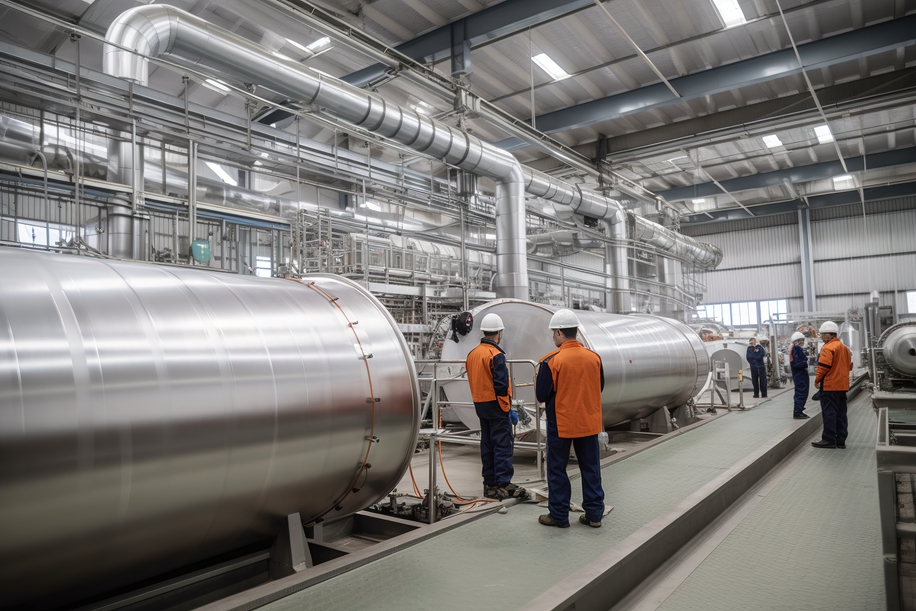
Why visibility of the production process is so important
Operational excellence, efficiency and quality are top priorities for almost every manufacturer worldwide. These things lead to improved productivity, happier customers and reduced waste – all of which result in increased profits. Visibility of the production process is the key to achieving these things. And manufacturers now have access to technology that can provide real-time […]
Read more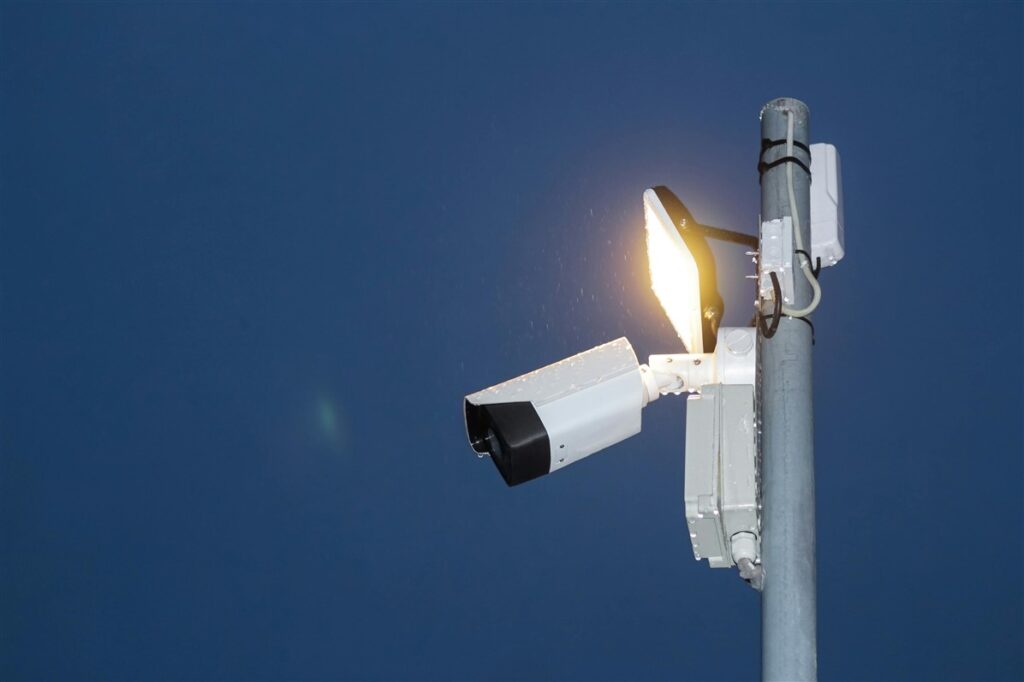
Will security lighting help to protect my staff?
Looking after the safety and well-being of employees should be a priority for any business. And while it’s not possible to mitigate every risk, there are measures you can take to improve their safety and security. One measure that is often overlooked is the installation of security lighting. When daylight disappears, visibility is reduced, increasing […]
Read more
Top 5 considerations when comparing electrical quotes
Budget is always a factor when you’re considering any type of upgrade, revamp, or maintenance work within your factory. But when it comes to electrical work, you have to consider more than just money. Don’t rush into accepting the cheapest electrical quotes without knowing exactly what you’re getting. Electrical work is not an area where […]
Read more
What is the role of companies in reducing our carbon footprint?
We should all be taking responsibility for protecting our planet and a big part of that is reducing our carbon footprint. But while it falls to all of us to do our bit, there is additional pressure on manufacturers, especially those with high carbon emissions. As an absolute minimum, these companies should ensure compliance with […]
Read more